Een interview is geen bestelling
Hoe journalisten werken
Edit: English version below this article
Fijn, er wordt geïnterviewd, een journalist maakt er werk van om een ongetwijfeld interessant verhaal neer te pennen.
Jarenlange ervaring met het begeleiden van interviews van mijn klanten bracht ook situaties mee die uitmondden in kleine en grote rellen, dreigementen van advocaten en zelfs eisen om een artikel te herschrijven of niet te publiceren.
Om dat te voorkomen, lees dit:
(Onderaan het artikel vertel ik ook hoe je wél volledige controle over je publicatie hebt)
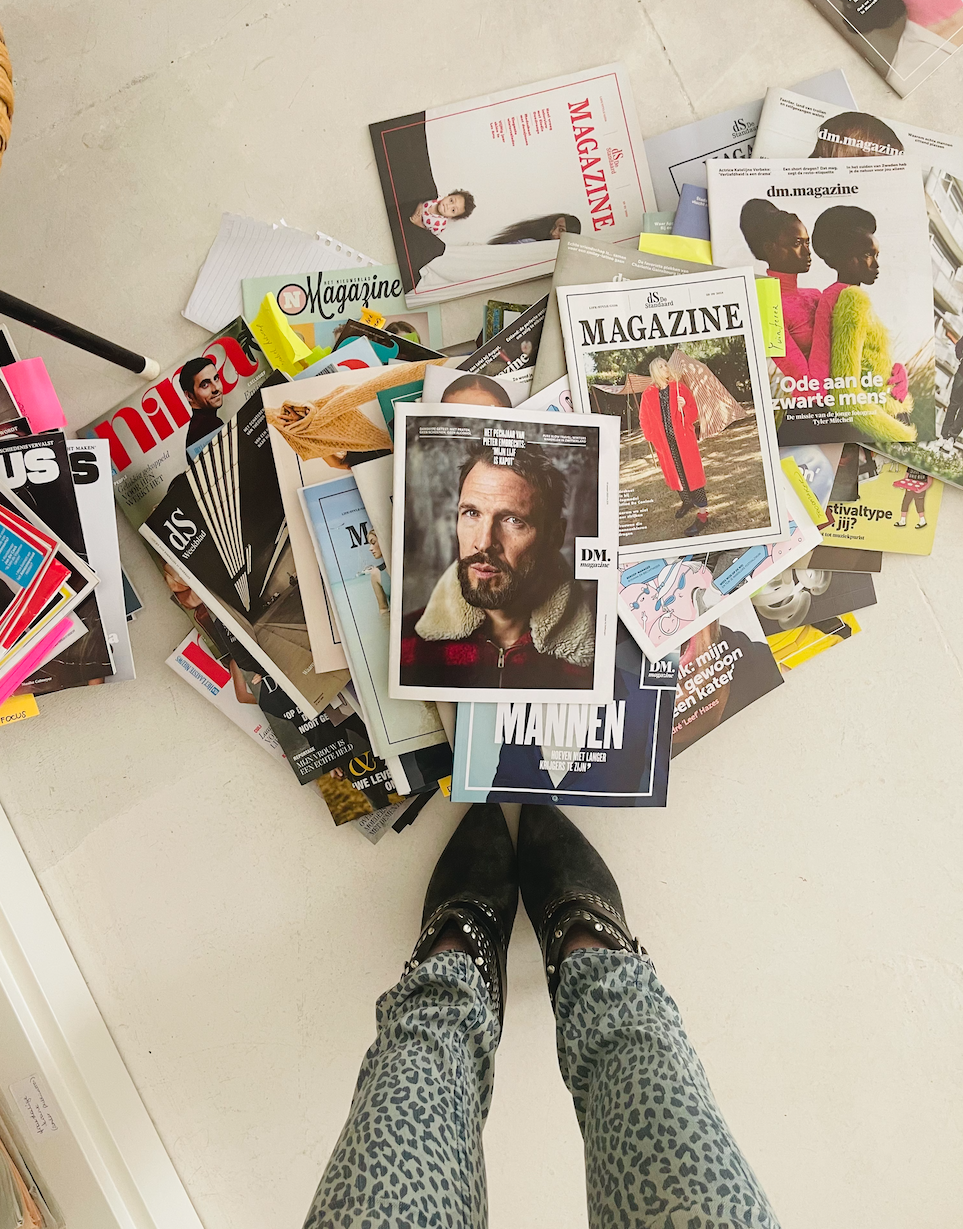
‘Everything you say can and will be used to write about you’.
Met deze waarschuwing wil ik zéker niet insinueren dat een journalist tégen je is, integendeel. Maar het is soms confronterend wanneer je je persoonlijke verhaal zwart op wit ziet staan. Vergelijk het met je eigen stem terughoren in een opname: plots wil je je uitspraken nuanceren of de straffe powerquotes eruit halen – terwijl die nu net zo interessant zijn.
(Tip: laat het aan je PR over om te beoordelen welke scherpe uitspraken nadelig kunnen zijn, en welke juist je interessante en unieke karakter blootleggen.)
Wij geven de ingrediënten, de journalist kiest wat er gekookt wordt
Confronterend als je niet zelf mag koken, maar in een interview geef je eigenlijk enkel de ingrediënten. De journalist luistert en haalt eruit wat zij interessant vindt, en vooral: wat aan haar lezerspubliek gaat aanspreken.
Het is dus héél belangrijk om vooraf heel goed af te spreken wat het plan is voor dit interview, en rond welk stuk van je verhaal gaat er gewerkt worden.
Bijvoorbeeld: als je net door een zware scheiding aan het gaan bent en je bent bekend, en je hebt pakweg een interview over je nieuwe boek: geef aan of je over je scheiding wil praten of niet, en pols bij de journalist of ze hier op gaan doorvragen. Assumptions are the mother of all fuck-ups en als een deel van je verhaal potentiële clickbait is, zorg er dan voor dat je met open ogen een interview instapt.
Het interview wordt zelden uitgeschreven in de vorm waarin het werd verteld. Daar zit vaak de misvatting: de tekst gaat maar een bepaald onderdeel van je verhaal uitlichten.
Je kan niét zomaar ingrijpen en vragen (of eisen) om de tekst te veranderen. Je hebt gezegd wat je hebt gezegd, en de journalist kan daarmee aan de slag.
Vertel geen dingen die afleiden van de essentie van het verhaal dat je wil vertellen, anders wordt dát misschien het verhaal.
Het interview is nooit voorbij
Het laatste vraagje als het interview ‘voorbij is’ is soms het gevaarlijkste. Je bent opgelucht dat het voorbij is en je hebt alles goed uitgelegd, en de journalist stelt casually nog een vraagje terwijl de tafel wordt opgeruimd. Dit is mogelijk de belangrijkste vraag, dus zeg niks dat je niet gepubliceerd wil hebben.
Gezegd is gezegd
Bereid goed voor en flap er niets uit. Een klant vermeldde in een allereerste interview dat ze jaloers waren op een concurrent die op dat moment veel beter in de media werd gezet, en dat stond uiteraard in de eerste draft van de uitgeschreven tekst. Ik heb aan de journalist moeten vragen ‘kan je me een plezier doen en PLEASE die uitspraak weghalen?’ maar dat proberen we toch te vermijden. Voor hetzelfde geld zegt de journalist ‘gezegd is gezegd’ en dan hebben ze het recht om dit te publiceren.
Laat die powerquotes maar komen!
Maar vooral: liever een aantal zotte uitspraken waar je achter staat, dan diplomatische veilige antwoorden die voor niemand interessant zijn om te lezen. Uit die comfortzone, please! Looking at you, Mattijs Hermans.
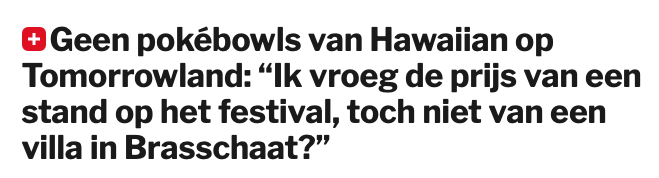
- Mattijs Hermans, CEO Hawaiian, in GVA
Talking Points
De journalist heeft een agenda, jij hebt er een. Om je verhaal duidelijk te vertellen, is het het beste om een lijstje ‘talking points’ op te stellen: wat wil je allemaal gezegd hebben en waarom zijn deze dingen belangrijk? Hou die bij de hand zodat je zeker je belangrijkste punten hebt vermeld, in plaats van enkel mee te stromen in de vragen die je worden voorgeschoteld.
Again, dit betekent niet dat het interview een opsomming van je talking points zal zijn, maar hoe interessanter elk deel van het verhaal is, hoe meer kans dat erover geschreven wordt.
Bijvoorbeeld: WOLF Sharing Food Market:
Primair: je opent een foodmarket in Antwerpen, met 10 restaurants, na het succes van de vestiging in Brussel.
Secundair: je bent gevestigd in een historisch pand, je meubels zijn gemaakt uit upcycled materialen, de designer is Lionel Jadot, elke maand zijn er een reeks top evenementen, het is geschikt voor alle leeftijden, enzovoort.
Soms zal een journalist ook gewoon aangeven: ‘super interessant, maar voor dit stuk ligt de focus even op…’.
Ik overleg met mijn klanten meestal een aantal goeie statements en anecdotes, zodat je niet achteraf denkt ‘neeeee, dit had ik eigenlijk moeten vertellen!’
Lijst ook even voor jezelf op wat je liever niét vermeldt.
De eindredactie en clickbait
Nadat het finale stuk wordt ingediend bij de redactie, passeert het langs de eindredactie. Ze halen er spelfouten en kromme zinnen uit, EN verzinnen er titels en quotes bij. Dit betekent dat iets wat heel kort in de lange tekst staat, plots een hele grote kop boven het artikel kan worden. Sappige titels zorgen voor meer lezers!
Na jaren van interviews herken ik ze meteen al tijdens het interview en denk ik: ‘yess, dit wordt een quote’. En soms denk ik ‘nooooo waarom moest je dit nu zeggen, dit wordt een quote’.
Again, een goeie voorbereiding doet veel.
Even door ChatGPT halen om te verbeteren?
Als ik een interview begeleid, vraag ik aan de journalist telkens om het interview voor publicatie te mogen nalezen. Dit is enkel om op feiten na te kijken, en eventuele nuances juist te krijgen zodat het verhaal klopt. Op geen énkel moment is het de bedoeling om de tekst te herschrijven.
Bijvoorbeeld:
Wat je kan aanpassen is:
een spelfout in je naam
verkeerde adres
foute omschrijving van een gerecht
nuanceren van een verhaal dat de journalist naar jouw gevoel met de foute conclusie heeft samengevat
Wat je niét kan doen is:
een tekst helemaal herschrijven
een tekst door ChatGPT halen om te herschrijven
spelfouten verbeteren, dat is niet aan ons maar aan de eindredactie.
kritiek op schrijfstijl
paragrafen bijschrijven
Ik sprak net nog een journaliste die vertelde dat ze nét iemand had geïnterviewd die haar mailbox helemaal had volgekrabbeld met correcties, nog voor ze een letter op papier had gezet. Een andere journaliste vertelde dat een BV die ze interviewde haar artikel vollédig had herschreven, in een vorm die niks leek op het interview dat vlak daarvoor werd afgenomen. Dit probeer ik altijd te bewaken, op een manier dat we je verhaal er het best mogelijk doen uitkomen, op een manier dat je durft kleur bekennen, je vertrouwen krijgt in je eigen intuïtieve uitspraken (die we met talking points goed hebben voorbereid, remember?), en dat we de journaliste niet de stuipen op het lijf jagen.
Je stuurt niet zomaar een advocaat naar de redactie
Als er ergens een probleem is, is de kans groot dat je persverantwoordelijke het heel simpel met de journalist kan oplossen. Journalisten zijn ook gewoon mensen waarmee je redelijk kan overleggen.
Bijvoorbeeld: Een krant publiceerde bij een artikel over een aanranding een foto van de buurt waar het gebeurde, en daarop was een herkenbaar restaurant te zien. Mensen dachten daardoor dat het restaurant betrokken was. In plaats van een advocaat in te schakelen, volstond één telefoontje naar de redactie om de foto te vervangen. Een redactie staat open voor zulke signalen en wil nooit onbedoeld iemand in diskrediet brengen, ze zijn zich maar al te goed bewust van de kracht en suggestie van een beeld.
Dat beeld was een honest mistake en dat was snel opgelost. Maar kan je je voorstellen hoeveel goodwill je van een redactie verliest als je een advocaat stuurt? We play nice.
Redactioneel vs adverteren
Als je volledige controle wil over wat geschreven wordt, wat natuurlijk een geldige wens is, dan kan je adverteren. Dan koop je mediaruimte (bijvoorbeeld: een pagina in Flair start aan €12.100) en die vul je in met je eigen tekst en beeld.
Een aantal voorbeelden van advertentietarieven (afgeronde prijzen) voor een volledige pagina in Vlaanderen:
Het Laatste Nieuws €67.000
Flair €12.100
Nina €10.500
De Morgen Magazine €8.400
Knack Weekend €14.400
Sabato €11.470
Feeling €12.000
Dit soort bedragen zijn weliswaar veelvouden van PR-tarieven.
Als je vragen hebt over interviews, of je hebt iemand nodig om je voor te bereiden of te begeleiden voor een interview: neem gerust contact op.
Als je deze tekst tot het einde hebt gelezen: dank je wel en merci om mij te lezen!
Heel veel dank vooral aan Deborah Seymus en Jiska Agten van De Morgen/ DPG, en aan vele andere journalisten voor de moeilijke tot hilarische gesprekken, om mij een deontologisch correcte PR te houden en om ook moeilijke interviews naar veilige havens te sturen.
Cheers,
Saskia
@saskiathewicked
@thewickedPR
English Version:
You Don’t Dictate An Interview
PR Advice: Journalist Etiquette
Great, there’s an interview coming up. A journalist is taking their time to craft what will no doubt be an interesting story.
Years of coaching interviews for my clients have also brought moments that ended in small and large controversies, threats from lawyers, and even demands to rewrite or pull an article altogether.
To avoid that, read this:
(At the end of this article, I’ll also tell you how you can have full control over your publication.)
Everything you say can and will be used to write about you.
With that warning, I definitely don’t mean to suggest that a journalist is against you — quite the opposite. But it can be confronting to see your own words printed in black and white.
It’s like hearing your own recorded voice: suddenly you want to soften what you said, or remove those bold power quotes — even though that’s exactly what makes them interesting.
(Tip: leave it to your PR person to judge which sharp quotes might be risky, and which reveal your most interesting and unique traits.)
We Provide the Ingredients, the Journalist Does The Cooking
It’s confronting when you’re not the one doing the cooking, but in an interview, that’s exactly what happens: you hand over the ingredients. The journalist listens and decides what’s interesting, and what will appeal to their readers.
That’s why it’s crucial to agree beforehand on the plan for the interview and which part of your story it will focus on.
Example: if you’re going through a tough divorce and you’re a public figure, but the interview is about your new book: make clear whether or not you’re open to discussing your divorce, and ask if the journalist plans to go there.
Assumptions are the mother of all fuck-ups. If any part of your story could be clickbait, make sure you walk into the interview with your eyes open.
The article will almost never be written exactly as you told it. That’s where many people misunderstand the process: the text will often highlight one specific part of your story.
You can’t just step in and ask (or demand) for the text to be changed. You said what you said, and the journalist gets to work with that.
Don’t say things that distract from the story you actually want to tell — or that might become the story.
The Interview Is Never Over
That final “just one more question” after the interview seems to be over is sometimes the most dangerous one. You’re relieved, you’ve said everything clearly, and then the journalist casually drops one last question while packing up. That might be the key quote of the entire piece, so don’t say anything you wouldn’t want published.
You Said What You Said
Prepare well and don’t blurt things out. One client, in her very first interview, mentioned being jealous of a competitor who was getting much more press at the time - and of course, that line ended up in the first draft of the article. I had to beg the journalist, “Can you please do me a favor and remove that quote?” Luckily he did but ideally, you avoid that situation altogether.
The journalist could just as easily say, “You said it, so I’m publishing it,” and they’d be within their rights.
Bring on the Power Quotes!
That said — better a few bold quotes you feel strongly about than safe, diplomatic answers nobody wants to read. Step out of that comfort zone, please. Looking at you, Mattijs Hermans.
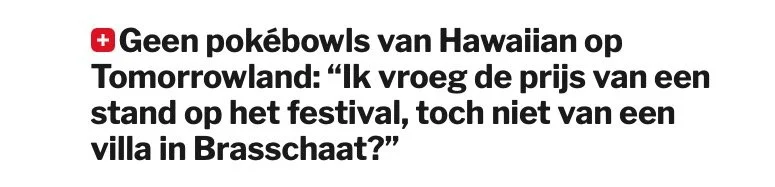
Translation: ‘No Hawaiian poke bowls at Tomorrowland: ‘I asked them for the price of a booth at the festival, not for a villa’
-Mattijs Hermans, CEO of Hawaiian, in GVA
Talking Points
The journalist has an agenda. You have one too. To tell your story clearly, it’s best to prepare a short list of talking points: what do you want to say, and why are those points important?
Keep them close so you’re sure to cover your key messages instead of just following the journalist’s lead.
This doesn’t mean your interview will become a checklist, but the more interesting each part of your story is, the higher the chance it gets written about.
Example:
WOLF Sharing Food Market
Primary message: You’re opening a food market in Antwerp with 10 restaurants, after the success of the Brussels location.
Secondary message: It’s in a historic building, the furniture is made from upcycled materials, designed by Lionel Jadot, there’s a lineup of top events each month, it’s family-friendly, and so on.
Sometimes a journalist will simply say: “That’s super interesting, but for this piece the focus is on…”
I usually help my clients prepare good statements and anecdotes in advance — so you don’t end up thinking afterwards, “Nooo, that’s what I should’ve said!”
Also make a quick list of what you’d rather not mention.
The Editor and the Clickbait
Once the journalist submits the final piece, it goes through the editorial desk. They fix spelling and grammar — andthey invent headlines and pull quotes.
That means something mentioned briefly in the text can suddenly become the giant headline. Juicy titles attract readers.
After years of sitting through interviews, I can already spot them as they happen: sometimes I think “Yes, this will be the quote.” And sometimes: “Noooo, why did you have to say that — this will be the quote.”
Again: good preparation does wonders.
Running It Through ChatGPT to Improve It?
When I'm working on an interview, I always ask the journalist if my client can read it before publication — but only to check factual accuracy or clarify nuance. It’s never meant to be rewritten.
For example, here’s what you can change:
A typo in your name
A wrong address
An incorrect description of a dish
A nuance the journalist summarized inaccurately
And what you can’t do:
Rewrite the whole text
Run it through ChatGPT to “improve” it
Fix typos — that’s for the editor
Criticize writing style
Add new paragraphs
A journalist recently told me about someone she’d interviewed who flooded her inbox with corrections before she’d even written a word. Another one told me a celebrity she’d spoken to completely rewrote the article into something that no longer resembled the interview at all.
My job is to protect that boundary — to help you get the best possible story out there, to make you trust your own instinctive quotes (the ones we prepared with your talking points, remember?), and to make sure we don’t scare the journalist half to death.
You Don’t Just Send a Lawyer to the Editor
If something goes wrong, chances are your PR rep can solve it with one simple call. Journalists are human too and you can reason with them.
Example: a newspaper once published a photo of a neighborhood where an assault had taken place, and a recognizable restaurant appeared in the image. People assumed the restaurant was involved. Instead of calling a lawyer, one quick phone call to the editor was enough to get the photo replaced.
Editors are open to that kind of feedback, they never want to harm someone unintentionally. They’re very aware of how powerful an image can be.
It was an honest mistake and quickly fixed. But imagine how much goodwill you lose if you send in a lawyer instead.
We play nice.
Editorial vs. Advertising
If you want complete control over what gets written — which is perfectly understandable — you can always advertise. You buy media space (for example, a page in Flair starts at €12,100), and you fill it with your own text and images.
Some sample rates for a full-page ad in Flanders (rounded figures):
Het Laatste Nieuws €67,000
Flair €12,100
Nina €10,500
De Morgen Magazine €8,400
Knack Weekend €14,400
Sabato €11,470
Feeling €12,000
These amounts are, of course, multiples of a PR fee.
If you have questions about interviews — or need someone to prepare or guide you through one — feel free to get in touch.
And if you’ve read all the way to the end: thank you, and cheers for reading me.
Saskia
@saskiathewicked
@thewickedPR