Is it depressing to have to do PR to survive?
And other gut punching comments
I saw a post online where a restaurant stated that it’s so depressing they had to hire a PR to survive… but it worked for them.
The industry comments under that post felt like a punch in the gut and really opened my eyes about the enormous amount of limiting beliefs and misconceptions about PR.
So, I reworked my answers to all these comments into a blog post, this could be useful for you.
These are literal quotes from restaurants that I’m answering from my perspective:

© Daniil Lavrovski for COBRA, Antwerp
“It’s sad to do PR to survive”
No man. What’s sad is making beautiful food and nobody finding it.
PR isn’t about forcing a narrative. It’s not about hype or faking relevance.
It’s simply about connecting you to the people who need to know you.
A good PR feels your pulse, takes what’s already special, and amplifies it to the audience that should visit you — journalists, guests, creators — whoever needs to see you next.
“Journalists are too lazy to do their own research.”
They’re not lazy. They’re drowning.
The industry is saturated, inboxes are full, and no one has time to read hundreds of restaurant updates a day.
A good PR doesn’t replace a journalist’s research — we make it possible.
We bring them the essence, help them see what’s worth their attention, and give them a clear story to build from.
Freelance journalists especially aren’t paid to research full-time — so what we do is offer them a shortcut.
PR people are bridges, not middlemen.
“PR takes money away from the kitchen and the team.”
PR is not stealing from the plate — it’s making sure the plate is seen.
Every business needs visibility. You pay for electricity, cleaning, rent… and yes, communication.
If you don’t have customers, you don’t have sales.
I try to work as economically as possible — I launch, I teach, I make sure my clients can sustain it themselves.
But marketing yourself isn’t optional.
It’s part of doing business.
“Restaurants can contact the press themselves.”
Of course, and some do. I even help chefs learn how to handle press directly.
But journalists often tell me: “It’s so obvious when they don’t have a PR.”
Usually, that means unclear communication, wrong timing, or missing details.
We PRs spend so much time understanding what journalists need and what confuses them, and that experience makes the communication smooth, impactful, and professional.
For instance: a journalist received a press release mentioning ‘there will be a press dinner on <date>’. The journalist complained about not being invited to it, but the restaurant actually meant the mention of a press dinner as an invitation. If you don’t invite journalists explicitly, they’re not even going to see it.
You can absolutely reach out yourself — just know it’s a skill like any other that we have practiced and perfected. It took us years of practice to master it, and I’m sure you are better at filleting a tuna or making a perfect pithivier than I am.
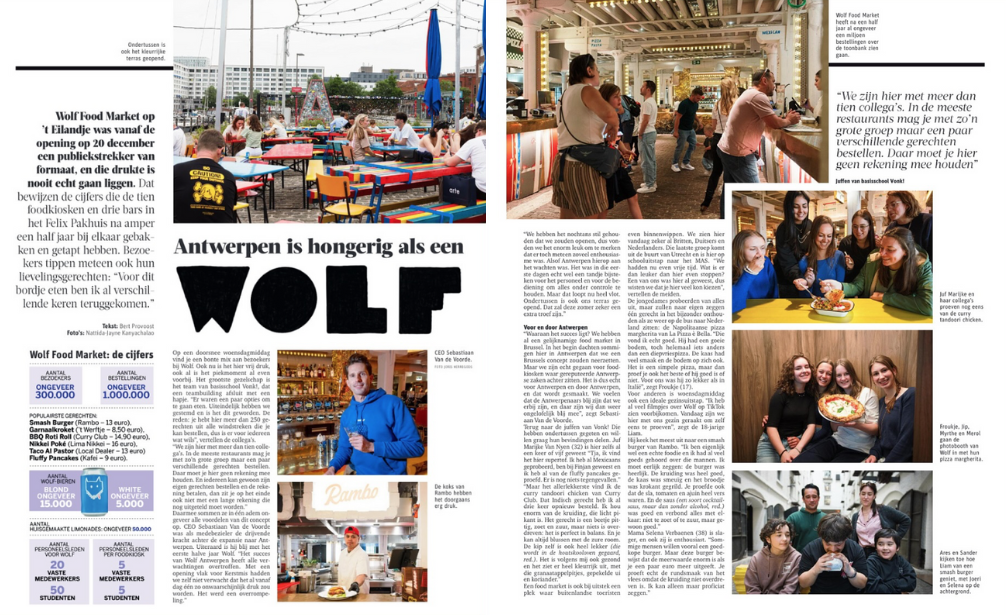
“The industry is so saturated that without PR you drown in the white noise.”
Exactly.
That’s why PR exists.
PR helps you cut through the noise and reach the people who actually care.
It’s not about shouting louder: it’s about speaking directly to the right ears.
“Not all restaurants can afford PR, so only those with budget get press coverage.”
That’s partly true, but not entirely.
Not every restaurant has press value, and not every restaurant needs PR right away.
For those who don’t, I usually advise: take a strong social media course, learn how to manage your own channels, and most importantly: find ways to trigger your guests to post about you.
Paying guests can carry your message just as well if you make them want to share it.
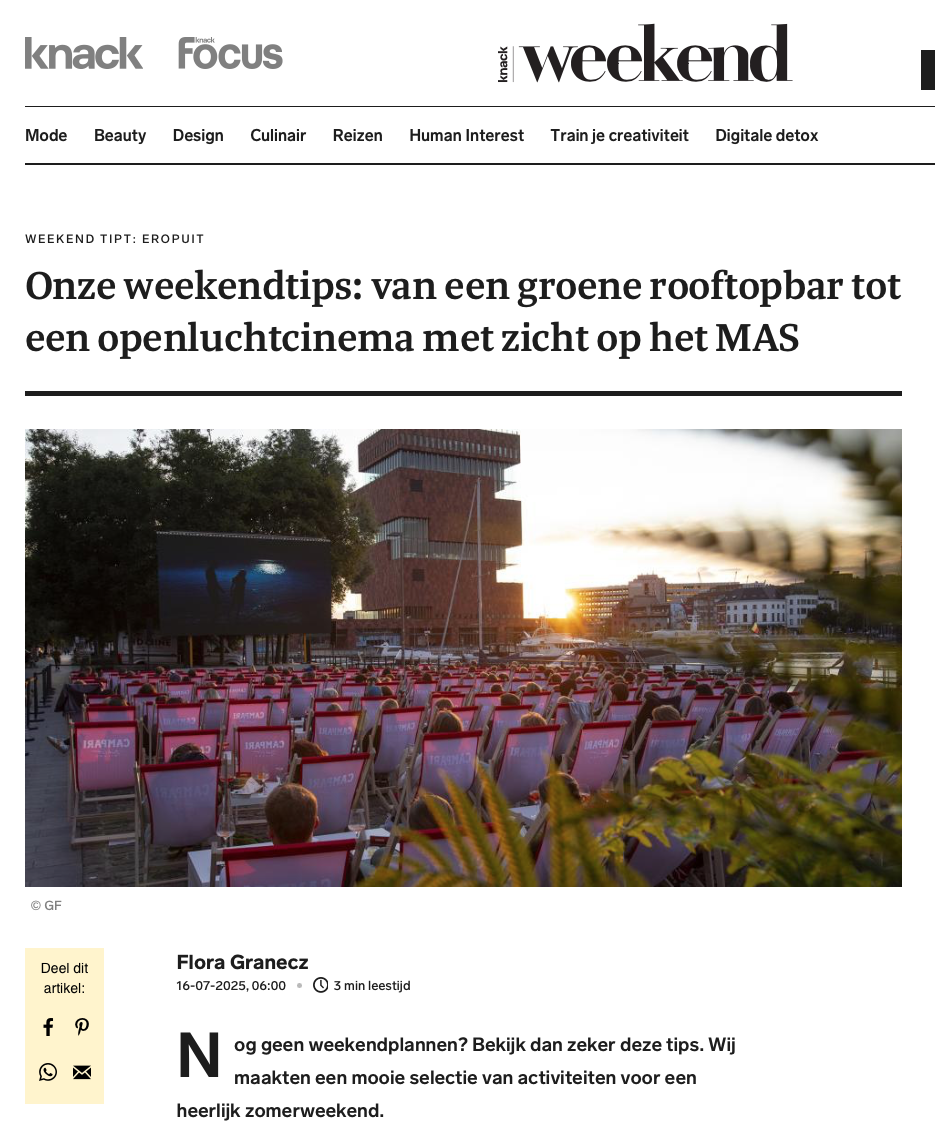
But if you do have something press-worthy, PR people helps journalists find it faster.
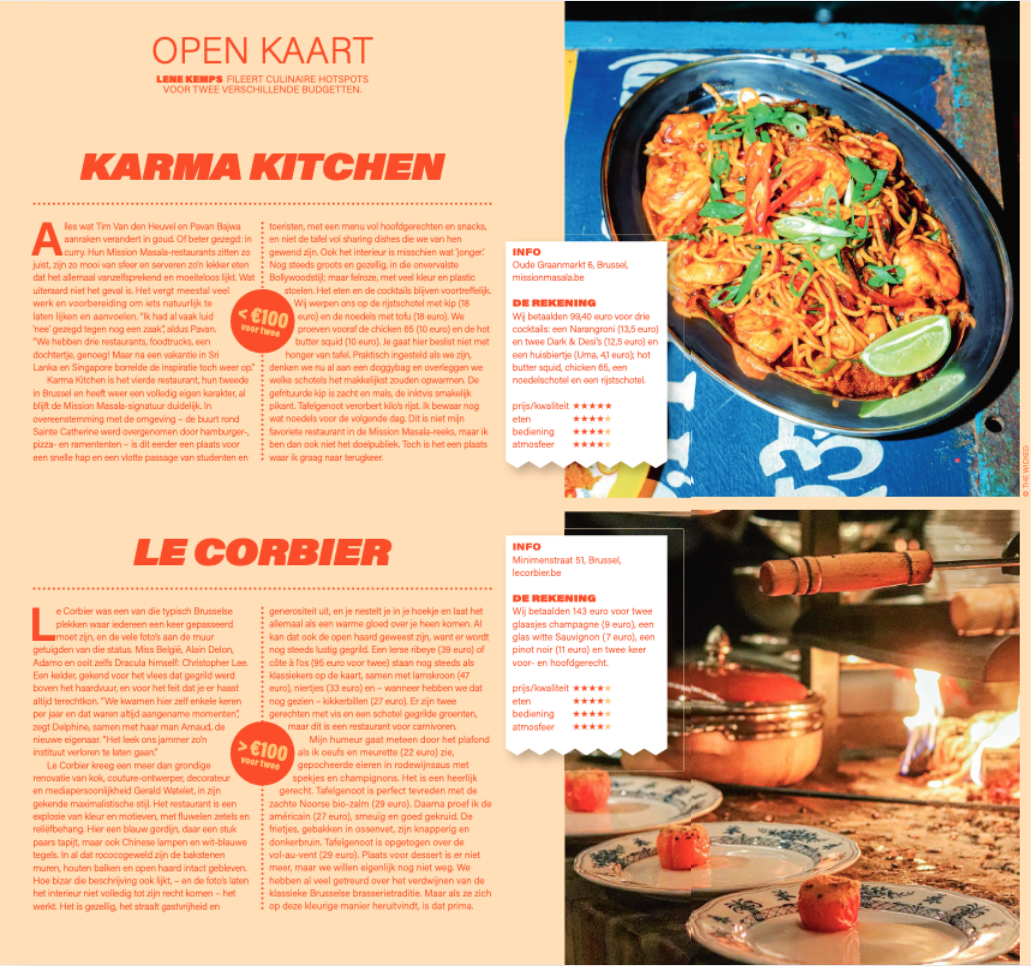
What journalists also tell me is that they see a trusted PR as a quality label.
When the press knows your PR person stands for a certain level of quality, they’ll read your next release with extra attention.

“PR people think influencers are a godsend.”
Absolutely not.
I don’t even like working with influencers most of the time.
The problem is that people have started to think that PR equals influencer marketing.
PR stands for reputation, not TikTok posts.
My job is to build something that lasts, not to trade food for hashtags.
I do still strongly believe that a good ‘content creator’ can bring you engaging content (like reels/ videos) that you can’t make yourself though.
Warning: Times are changing and the TikTok generation is coming, needing a completely different kind of hospitality, We need so prepare to adjust very soon, not just PR style but the entire experience of hospitality.
“Conformity through PR is rewarded too heavily: originality and integrity are gone.”
That’s not PR’s fault.
Good PR people doesn’t homogenize. They clarify.
We take what’s unique about you and frame it in a way the outside world can understand.
The sameness you see out there doesn’t come from PR, it comes from fear.
From people copying what they think works instead of trusting their own difference.
If your PR person understands your identity, your story will never look like anyone else’s.
“Journalists can’t do their job without PR.”
In the culinary world, most journalists will agree that a PR makes life easier.
A good PR saves time, filters noise, translates, and knows what a journalist needs. One moment it will be a press release, the next it will need a tasting. Sometimes we’ll see an opportunity to pitch a personal story instead of the story of the restaurant.
We open the eyes of journalists to new places and stories, and help them articulate those stories faster.
But the best journalists still do their own research, and the best PR people make that research easier and more meaningful.
It’s collaboration, not dependency.
“It’s depressing that social media is integral to success.”
It’s not depressing. It’s just the world we live in.
Visibility has always existed: it just used to be flyers, word-of-mouth, or newspaper ads.
Social media is simply today’s version of the same thing.
PR doesn’t replace substance, it helps substance travel.
You can hate the medium, but you still need to communicate.
‘Having’ to do PR is not sad at all.
It’s smart.
It’s how you make sure the people who would love you actually find you.
Good PR works sustainably, and in alignment with who you are.
Plus, you don’t HAVE to. If you have other ways to get people to walk through the door, great!
If not: let a skilled PR handle your reputation. We got you.
Cheers from Belgium ❤️
Saskia - The Wicked PR
@saskiathewicked
@thewickedpr